
Timeless Creations
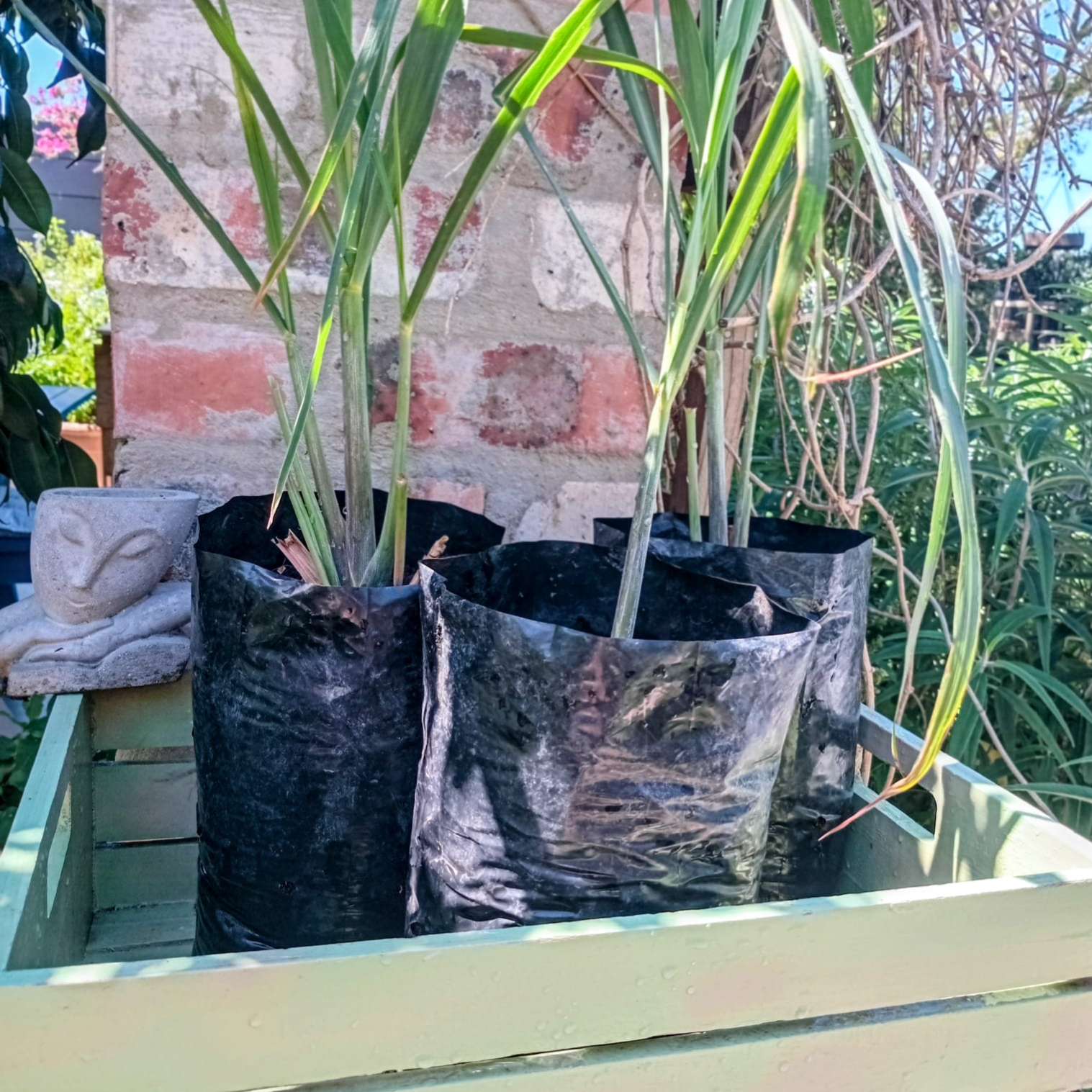
Lemon Grass
From R88,00
Care Instructions
Sunlight: Lemongrass thrives in full sun and requires at least 6 hours of direct sunlight each day. Ample sunlight promotes strong stalk growth and healthy leaves. While it can tolerate some light shade, less sun may result in slower growth and thinner stems.
Water: Water lemongrass regularly during the growing season, keeping the soil consistently moist but not soggy. Allow the top layer of soil to dry slightly between waterings. Lemongrass prefers well-drained soil and does not tolerate standing water.
Pruning: Trim back older, dead leaves as needed to encourage fresh growth and maintain a tidy appearance
Container Growing: Lemongrass adapts well to containers with good drainage. Choose a large pot to accommodate its clumping growth habit
Health Benefits
- Lemongrass is edible and aromatic, containing antioxidants, vitamins (such as vitamin C), essential oils, and minerals. It is widely used in herbal teas and culinary dishes for its fresh citrus flavor and is known for its digestive and mild calming properties. Always verify the variety and ensure it is safe for your intended use.
- Air purification: Like many fragrant herbs, lemongrass can help improve indoor air quality by absorbing pollutants and releasing oxygen.
- Drought tolerance: Once established, lemongrass is moderately drought-tolerant, making it a sustainable option for water-wise gardens.
Wildlife and Garden Advantages
Lemongrass’s tall, dense foliage provides shelter for beneficial insects and can serve as a habitat for garden-friendly species. While it does not attract as many pollinators as flowering herbs, its strong citrus scent may help deter some garden pests. Lemongrass is generally non-toxic to pets and wildlife and is often used as a border, companion plant, or in ornamental and edible gardens. Its root system helps stabilize soil, reducing erosion. In addition, the leaves can be used as nesting material for pet birds but should only be given in moderation and with proper identification.
Lemongrass is also considered safe to eat or forage for caged birds, making it a natural and enriching addition to their diet. Offering fresh lemongrass can provide both nutritional benefits and mental stimulation for pet birds.
Culinary Uses
Lemongrass is highly valued in cooking for its citrusy stalks and tender leaves, which are used fresh or dried in soups, curries, teas, and marinades. The lower stalk is most commonly used for its concentrated flavor, while the leaves can be steeped for herbal infusions. Always confirm correct identification and safe preparation before consuming any part of the plant.
Flower Features
Lemongrass produces tall stems with slender, green leaves and, in ideal conditions, may develop feathery flower heads in late summer. Though the flowers are subtle and not the primary attraction, the plant’s lush foliage and vertical growth habit add ornamental value to gardens and landscapes throughout the season.