
Timeless Creations
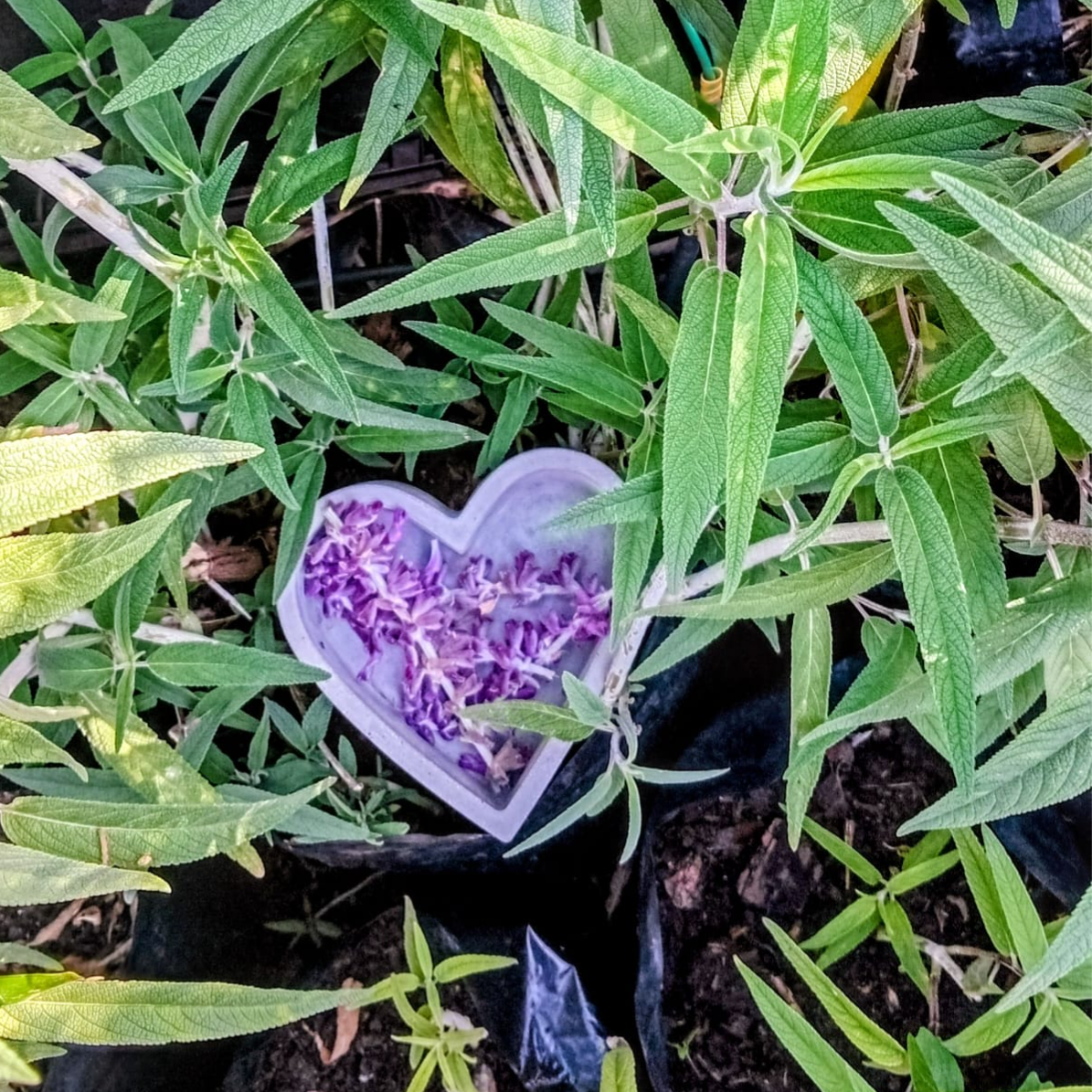
Mexican Bush Sage (Salvia)
From R111,00
Care Instructions
Sunlight: Thrives in full sun; provide at least 6 hours of direct sunlight daily for best flowering. Can tolerate partial shade but may bloom less vigorously.
Water: Water regularly during the growing season, allowing the soil to dry out slightly between waterings. Once established, Mexican Bush Sage is drought-tolerant and prefers not to be overwatered.
Pruning: Prune in late winter or early spring to remove old stems and encourage bushier, more vigorous growth. Deadheading spent flowers can promote further blooming.
Container Growing: Grows well in containers with good drainage. Ideal for patios, balconies, or as a striking accent in mixed planters.
Health Benefits
- Not typically consumed as a food, but some cultures use the leaves and flowers in herbal teas for their mild, soothing properties; always verify edibility and safety before use.
- Air purification: Like many plants, it helps improve air quality by absorbing carbon dioxide and releasing oxygen.
- Water-wise plant: Adapted to dry conditions once established, making it a sustainable choice for low-water gardens.
Wildlife and Garden Advantages
The vibrant flowers of Mexican Bush Sage are highly attractive to bees, butterflies, and hummingbirds, supporting local pollinator populations. Its dense foliage offers shelter for beneficial insects. The plant is non-toxic to pets and wildlife, and is often used as a colorful border, hedge, or focal point in gardens. Its hardy nature helps stabilize garden beds and prevent soil erosion.
Culinary Uses
Mexican Bush Sage is not a common culinary herb. While some gardeners use the flowers as an edible garnish, consumption should be limited and only after proper identification and safety confirmation. The plant’s main value lies in its beauty and pollinator support, rather than as a food source.
Flower Features
Mexican Bush Sage produces long, velvety spikes of purple and white flowers from late summer into fall. These showy blooms add vibrant color to gardens and are magnets for pollinators. The plant’s soft, lance-shaped gray-green leaves provide a lush backdrop throughout the growing season.