
Timeless Creations
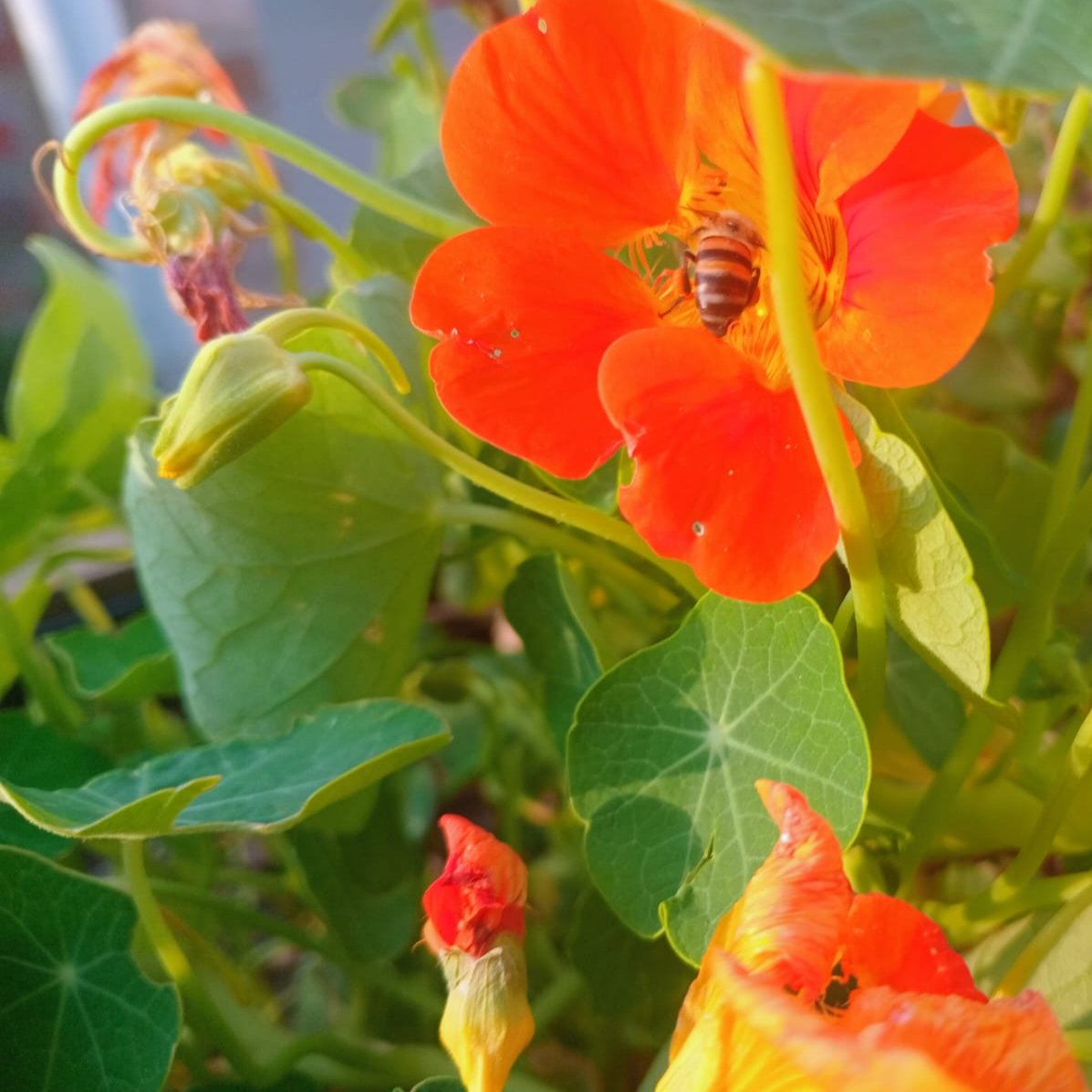
Nasturtiums
From R55,00
Sold out
Care Instructions
Sunlight: Nasturtiums thrive in full sun but can tolerate partial shade, especially in hotter climates. For optimal flowering, provide at least 5–6 hours of direct sunlight each day.
Water: These plants prefer well-drained soil and do not like to be waterlogged. Water moderately, allowing the soil to dry out slightly between waterings. Overwatering can reduce flowering and make the plants more susceptible to rot.
Pruning: Remove faded flowers and yellowing leaves regularly to encourage continuous blooming and keep the plants looking neat. Nasturtiums can be trimmed back if they become too sprawling or untidy.
Container Growing: Nasturtiums are excellent for containers and hanging baskets. Use a pot with good drainage and fill it with a general-purpose, light potting mix. Avoid overly rich soil, as this can result in lush foliage but fewer flowers. Place containers in a sunny location and water as needed.
Health and Safety Notes
- Nasturtiums are edible and safe for both humans and pets. Their leaves, flowers, and seeds can be eaten raw or cooked, adding a peppery flavour to dishes. However, as with any plant, introduce them to your diet gradually if you haven’t eaten them before.
- Nasturtiums have a history of use in traditional herbal medicine, where they are valued for their natural antibiotic properties. Some studies and anecdotal evidence suggest that nasturtium extracts may help support the body’s defences against certain bacteria. However, if you intend to use nasturtiums for medicinal purposes, consult a healthcare professional first, as more research is needed to confirm their effectiveness and safety for this use.
- These plants are generally pest-resistant and can even help deter some insect pests from nearby crops. They are often used in companion planting for this reason.
Wildlife and Garden Advantages
Nasturtiums’ bright, cheerful blooms attract bees, butterflies, and other pollinators, supporting garden biodiversity. Their sprawling or trailing habit can be used as a ground cover to suppress weeds, and they are also known to attract beneficial predatory insects.
Nasturtiums are non-toxic to birds and are sometimes visited by hummingbirds (in suitable regions) for their nectar. They make a colourful and useful addition to edible gardens, borders, or containers.
Culinary Uses
Unlike many ornamentals, nasturtiums are grown both for their decorative appeal and edible qualities. The flowers and young leaves add a peppery, watercress-like taste to salads, sandwiches, and garnishes. The seeds can be pickled and used as a substitute for capers. Always ensure you are growing edible nasturtium species (Tropaeolum majus or T. minus) and have not treated the plants with any harmful chemicals before consuming.
Plant Features
Nasturtiums are fast-growing annuals with rounded, shield-shaped leaves and vibrant flowers in shades of yellow, orange, red, and cream. The blooms are funnel-shaped and held above the foliage, creating a striking effect in beds, borders, containers, or hanging baskets. Some varieties trail, while others are bushy and compact.