
Timeless Creations
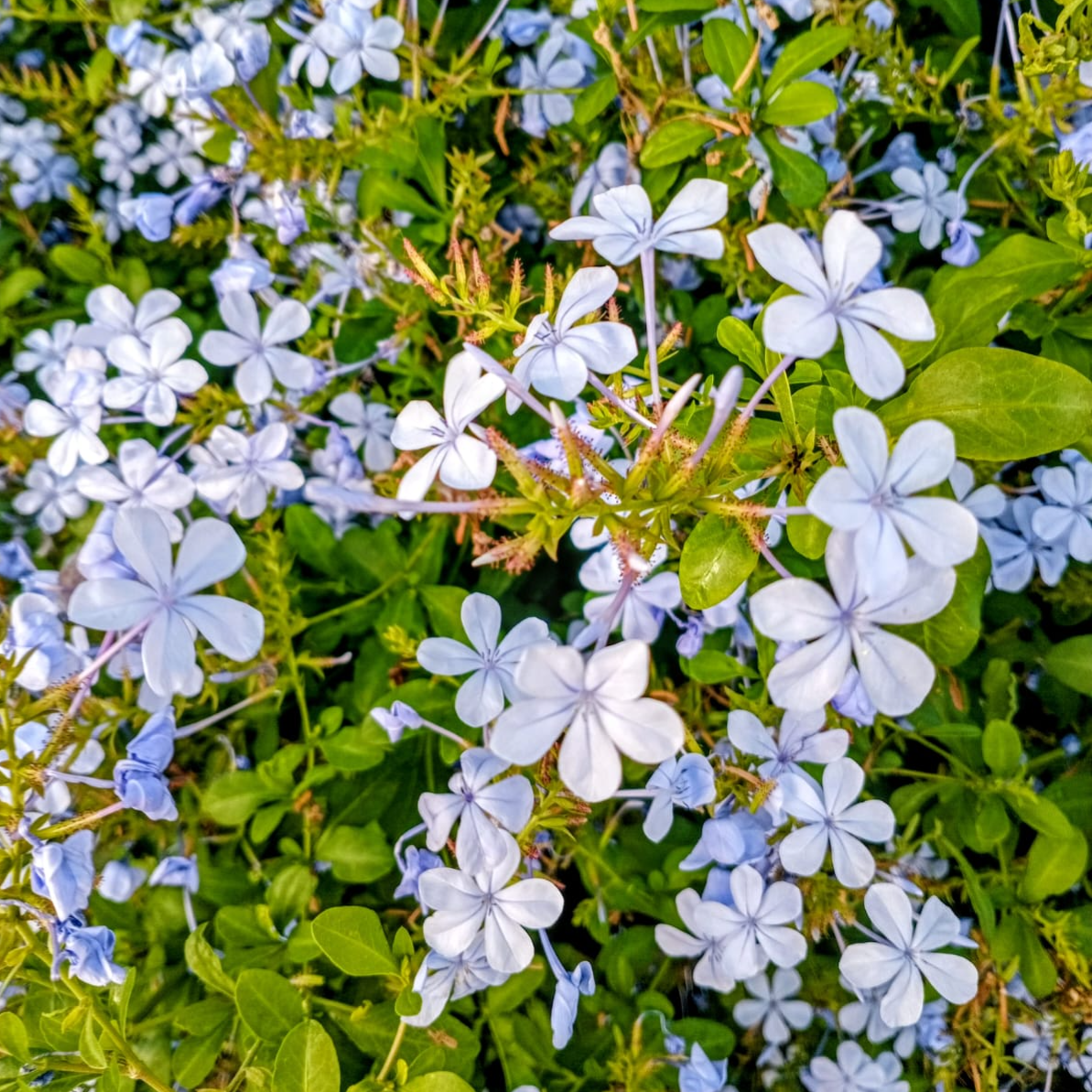
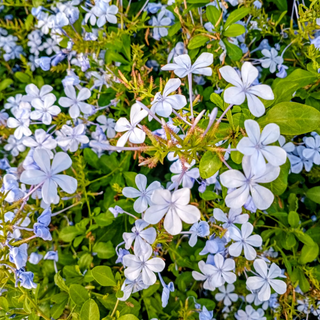
Plumbago (Blue)
From R55,00
Sold out
Care Instructions
Sunlight: Plumbago thrives best in full sun, needing at least 6 hours of direct sunlight daily to produce abundant blooms. While it can tolerate light shade, flowering may be reduced. Its botanical name is Plumbago auriculata.
Water: Water regularly during the growing season until established. Mature plumbago plants prefer consistent moisture, but be careful not to overwater or allow the soil to become waterlogged.
Pruning: Prune in early spring or after flowering to maintain the desired shape and remove dead or damaged stems.
Container Growing: Plumbago grows well in large containers with excellent drainage; provide support if it gets tall and increase watering and feeding frequency compared to plants in the ground.
Health Benefits
- Plumbago is not edible; though some species have traditional medicinal uses, the common garden variety is toxic if ingested. Handle with care and keep away from children and pets.
- Primarily used as an ornamental plant, plumbago adds vibrant color and beauty to landscapes and gardens.
- Attracts pollinators such as butterflies and bees, and can provide shelter for small wildlife.
Wildlife and Garden Advantages
Plumbago offers excellent cover for wildlife and helps stabilize soil, making it a good choice for borders or to conceal unsightly garden areas.
Because it can be toxic if eaten, avoid planting plumbago where pets or young children may play. It pairs well with other sun-loving shrubs for a lush, colorful effect.
Plumbago is attractive to pollinators, but always wear gloves when handling, and never ingest any part of the plant.
Culinary Uses
Plumbago is not used in cooking due to its toxicity - keep it away from food-preparation areas and out of reach of children.
Flower Features
Plumbago produces clusters of soft blue, phlox-like flowers from late spring through fall. The flowers are tubular and attract pollinators. The plant may produce small, inconspicuous seed pods; avoid contact as they can be sticky.